
Understanding Player Motivations
At the heart of every player’s choice in a casino is a unique set of motivations that drive their preferences. For some, the allure of potential financial gain is a significant factor; the thrill that comes with the possibility of winning substantial sums can be intoxicating. Others may be drawn to the social aspects of gambling, seeking connection and camaraderie with fellow players. This blend of motivations contributes to the diverse landscape of preferences within casino settings, where options like casino neosurf can enhance the overall experience, making it essential for casinos to understand what drives their patrons.
Moreover, the psychology of risk plays a crucial role in these choices. Some individuals thrive on high-stakes games that offer greater rewards, while others may prefer low-risk options where they can enjoy longer playtime without significant losses. Understanding these motivations allows casinos to tailor their offerings, creating environments that cater to both high rollers and casual players alike. Each game type—whether slots, table games, or sports betting—appeals to different psychological profiles, thus influencing player choices significantly.
Additionally, the psychological concept of loss aversion influences how players engage with casino games. This principle posits that the pain of losing is felt more intensely than the joy of winning the same amount. As such, players might gravitate toward games where they can frequently make smaller bets, helping to mitigate feelings of loss while still enjoying the thrill of play. Recognizing this dynamic can provide further insight into the choices players make in their gambling experiences and help casinos better meet their needs.
The Role of Game Design
Casino game design is meticulously crafted to enhance player engagement and satisfaction, drawing on various psychological principles. For instance, the use of bright colors, engaging sounds, and immersive graphics creates an environment that captivates players, making it difficult for them to disengage. These design elements tap into the brain’s reward system, triggering dopamine release and reinforcing the desire to play longer. Consequently, players may choose games that provide these sensory rewards, often overlooking the odds of losing as they become absorbed in the experience.
Furthermore, game mechanics such as near misses and bonus features can influence player choices significantly. In many slot machines, players encounter ‘near misses’ — situations where they come very close to winning but ultimately do not. This phenomenon can lead players to feel as though they are on the verge of a win, encouraging them to continue playing. Bonus rounds and jackpots also serve to attract players, as they introduce an element of excitement and unpredictability, heightening the emotional stakes involved and making the game more appealing.
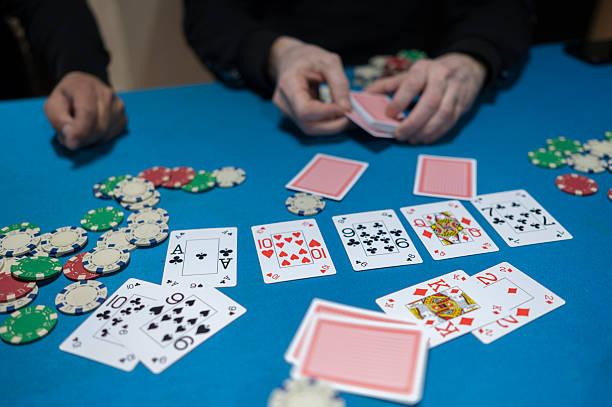
The choice of game also reflects individual preferences for complexity and strategy. Some players might favor skill-based games like poker, where strategic decision-making can enhance their chances of winning, while others may prefer simpler games where outcomes are purely based on chance. This dichotomy highlights how game design not only attracts players but also aligns with their personalities and gameplay philosophies, leading them to select specific games that resonate with their styles and preferences.
The Influence of Social Dynamics
The social environment of a casino is another key factor influencing player game choices. Many players seek the excitement of participating in games with others, enhancing their overall experience. Social dynamics come into play largely through games like poker and blackjack, where interaction with other players is a central component. The competitive spirit that arises in these scenarios can encourage players to gravitate towards such games, eager to engage in strategy and camaraderie while sharing the thrill of the game.
Moreover, peer influence cannot be underestimated in a casino setting. Observing friends or strangers winning can create a bandwagon effect, where players feel compelled to try the same games in hopes of replicating that success. The presence of enthusiastic players, animated conversations, and shared moments of excitement can transform the gambling experience into a collective adventure, making it more appealing for individuals who crave social validation and shared enjoyment in their choices of games.
Cultural factors also play a role in shaping social dynamics around casino games. In some societies, gambling is viewed as a communal activity, while in others, it may carry a stigma. This cultural backdrop can heavily influence game choices, as social acceptance or disapproval may deter individuals from certain games or encourage them to participate more actively in others. Understanding these nuances provides insight into why specific games may be more popular in certain demographics or regions, ultimately affecting overall player engagement.
Emotional Triggers and Advertising
Emotional triggers are powerful tools that not only influence player choices but also shape the marketing strategies employed by casinos. Advertisements often appeal to feelings of excitement and anticipation associated with winning, creating a sense of FOMO (fear of missing out). This marketing technique plays on the emotions of potential players, drawing them into the casino with promises of thrilling experiences that tap into their desires for adventure and success, which can significantly impact their game selections.

Additionally, casinos utilize narratives and themes in their game designs that evoke specific emotional responses. For example, games based on popular movies or cultural icons often attract players not just for the gameplay but also for the emotional connection they have with the associated narratives. This connection can ultimately lead players to choose these games over others, driven by nostalgia or affiliation with the themes presented, which is a testament to the power of emotional engagement in game preferences.
An understanding of emotional triggers also helps explain why players may return to certain games even after experiencing losses. The emotional highs associated with winning, compounded by the thrill of the game itself, can overshadow the downsides of previous losses. This cycle of emotions and experiences creates a powerful bond between players and their favorite games, influencing their choices over time and encouraging loyalty to particular titles or game types that resonate on an emotional level.
About Our Website
Our website is dedicated to exploring the intricate dynamics of gaming psychology and its implications for casino game choices. We aim to provide in-depth analysis, insightful articles, and resources that delve into the fascinating relationship between player behavior and game design. By understanding these mechanisms, we hope to enhance your gaming experience and understanding of the factors influencing your choices, making your visits more rewarding and informative.
We are committed to fostering an informed gaming community by sharing expert insights, player testimonials, and research findings. Our content is designed to empower players with knowledge, enabling them to make conscious decisions that enhance their overall enjoyment and engagement in casino games. Whether you are a novice looking to learn more or an experienced player seeking deeper insight, our platform offers valuable perspectives tailored to your needs and interests.
Join us as we unravel the layers of psychology that underpin casino gaming. We encourage discussions, feedback, and shared experiences to create a vibrant community that understands the nuances of game choices. Together, we can navigate the fascinating world of gaming, enhancing both the enjoyment and understanding of this captivating pastime, ensuring that every visit to our site enriches your gaming journey.
